
Strong neighborhoods form the foundation of thriving communities. When people come together to address local issues, support one another, and contribute to the well-being of their surroundings, they create a more connected and resilient environment. Civic engagement plays a crucial role in fostering these relationships and ensuring that neighborhoods remain vibrant, safe, and inclusive.
One of the most impactful ways to strengthen a neighborhood is through active participation in local governance. Attending city council meetings, joining neighborhood associations, and engaging with community leaders provide residents with a voice in shaping policies that affect their daily lives. By staying informed about zoning laws, development projects, and local budgets, community members can advocate for improvements and ensure that decisions reflect the needs of the people who live there.
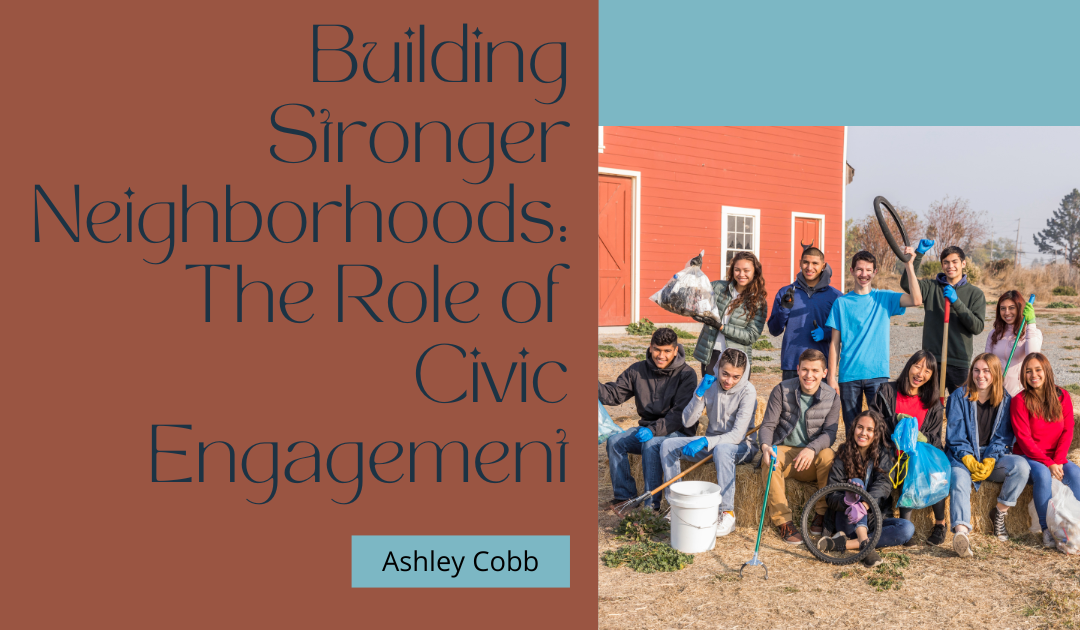
Volunteering is another essential aspect of civic engagement that brings neighbors together and addresses local challenges. Whether it is organizing a food drive, participating in park clean-ups, or mentoring youth, volunteer efforts help build a sense of unity and shared purpose. When people dedicate their time and skills to bettering their community, they create lasting positive change while inspiring others to get involved.
Community events and initiatives also play a key role in fostering strong neighborhoods. Block parties, farmers’ markets, and cultural festivals encourage interaction among residents and celebrate the diversity of a community. Public spaces that host art installations, local performances, and educational workshops create opportunities for engagement and creativity. These gatherings strengthen social ties, increase a sense of belonging, and promote collaboration among different groups.
Effective communication within a neighborhood enhances safety, trust, and collective problem-solving. Digital tools such as community forums, social media groups, and neighborhood apps allow residents to share information, report concerns, and coordinate efforts for local projects. A well-connected neighborhood is better equipped to handle emergencies, prevent crime, and support vulnerable individuals. When residents know their neighbors and actively communicate, they create a safer and more supportive environment for everyone.
Investing in public spaces and shared resources improves the overall quality of life in a neighborhood. Well-maintained parks, libraries, community centers, and recreational facilities provide spaces for people to gather, learn, and engage in healthy activities. Advocating for accessible infrastructure, pedestrian-friendly streets, and green spaces ensures that communities remain welcoming and inclusive. A commitment to preserving public areas strengthens a neighborhood’s identity and encourages long-term civic participation.
Youth engagement is a critical component of building stronger neighborhoods. Encouraging young people to participate in civic activities, leadership programs, and volunteer projects instills a sense of responsibility and belonging. When youth feel connected to their community, they are more likely to contribute positively and develop lifelong habits of civic involvement. Providing mentorship, educational opportunities, and platforms for young voices empowers the next generation to take an active role in shaping their neighborhoods.
A thriving neighborhood is built on the foundation of civic engagement, collective responsibility, and mutual support. When residents come together to advocate for positive change, contribute their time and talents, and foster a sense of unity, they create communities that are resilient, inclusive, and full of opportunity. The strength of a neighborhood is not just in its infrastructure but in the people who dedicate themselves to making it a better place for everyone.