
When a community faces a challenge, it can be tempting to wait for someone else to fix it. Residents may look to government agencies, nonprofit organizations, or large institutions for answers. While these organizations can provide valuable support, many meaningful solutions can begin much closer to home.
Local communities have something powerful that outside organizations may not: firsthand knowledge. Residents understand the challenges they face every day, which means they are often in a strong position to identify practical solutions.
Local Knowledge Matters
A neighborhood may struggle with an unused public space, limited activities for young people, social isolation, or a lack of support for older residents. People who live there are likely to understand these issues differently from someone looking at the community from a distance.
They know which problems affect the most people, which resources are already available, and what solutions are realistic.
This local knowledge can help prevent communities from adopting solutions that look good on paper but do not work in everyday life. Instead, residents can create approaches based on their actual needs.
Small Actions Can Start Big Changes
Community improvement does not always require a large budget or a major campaign. Sometimes, progress begins with a small group of people willing to take action.
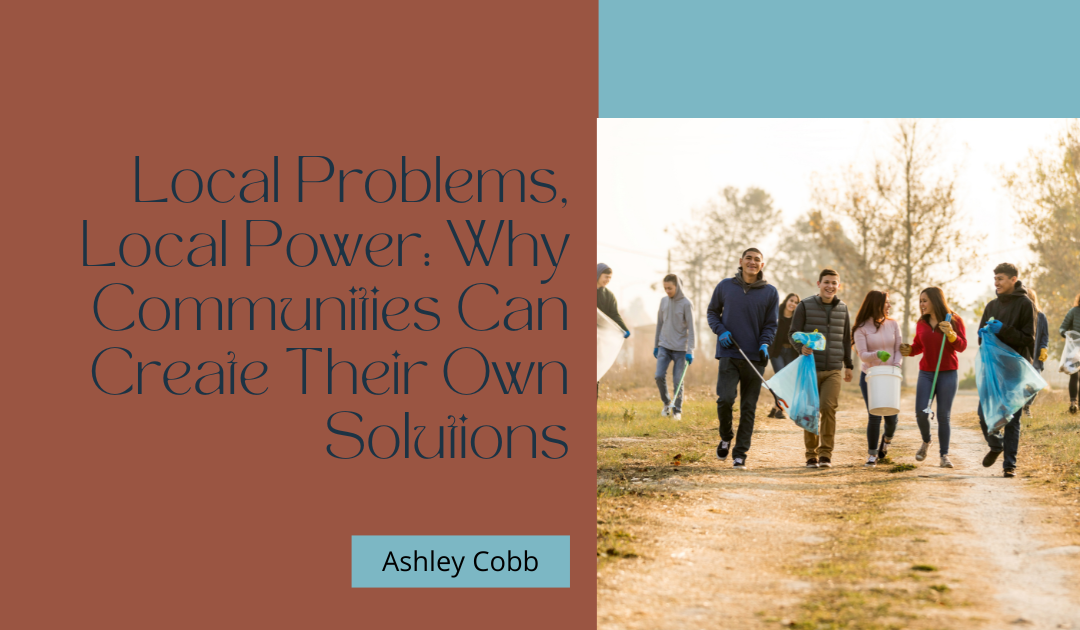
A few neighbors might organize a cleanup, create a shared garden, start a community book exchange, collect supplies for families in need, or organize activities for children and older adults.
These projects may seem small, but they can have an impact beyond the original goal. They bring people together, build relationships, and show residents that positive change is possible.
One successful project can also encourage people to take on the next challenge.
Everyone Has Something to Contribute
Strong communities are built from different skills and perspectives. One person may be an excellent organizer, another may have useful professional knowledge, while someone else may simply have the time and willingness to help.
Local businesses, schools, community groups, and residents can all play different roles.
The important thing is to make participation accessible. Community involvement should not require wealth, special qualifications, or unlimited free time. Donating an hour, sharing an idea, offering a skill, or helping a neighbor can all contribute to a larger effort.
Technology Can Bring People Together
Digital tools have also changed how communities organize. Neighborhood groups and online platforms can make it easier to share information, coordinate volunteers, promote events, and connect people who need help with people who can provide it.
Technology can be especially useful for reaching residents who might not attend traditional meetings.
However, digital communication should support real community relationships rather than replace them. A message can bring people together, but meaningful change usually requires people to work together in the real world.
Ownership Creates Lasting Impact
One of the biggest strengths of locally developed solutions is ownership.
When residents help identify a problem and create the solution, they are more likely to care about maintaining the results. A community garden, for example, becomes more sustainable when local residents share responsibility for caring for it.
Ownership also builds confidence. Once people see that their actions can improve their surroundings, they may become more willing to tackle larger challenges.
Start With What Is Possible
Communities do not need to solve every problem at once. A better approach is often to identify one realistic issue and begin there.
Talk to residents. Listen to different perspectives. Identify available resources. Find people willing to help. Then take one practical step.
That first step may not transform an entire neighborhood, but it can create momentum.
The strongest communities are not necessarily those without problems. They are communities where people believe they can work together to address them.
Local power begins with a simple realization: people do not always have to wait for solutions to arrive. Sometimes, they can create them together.