
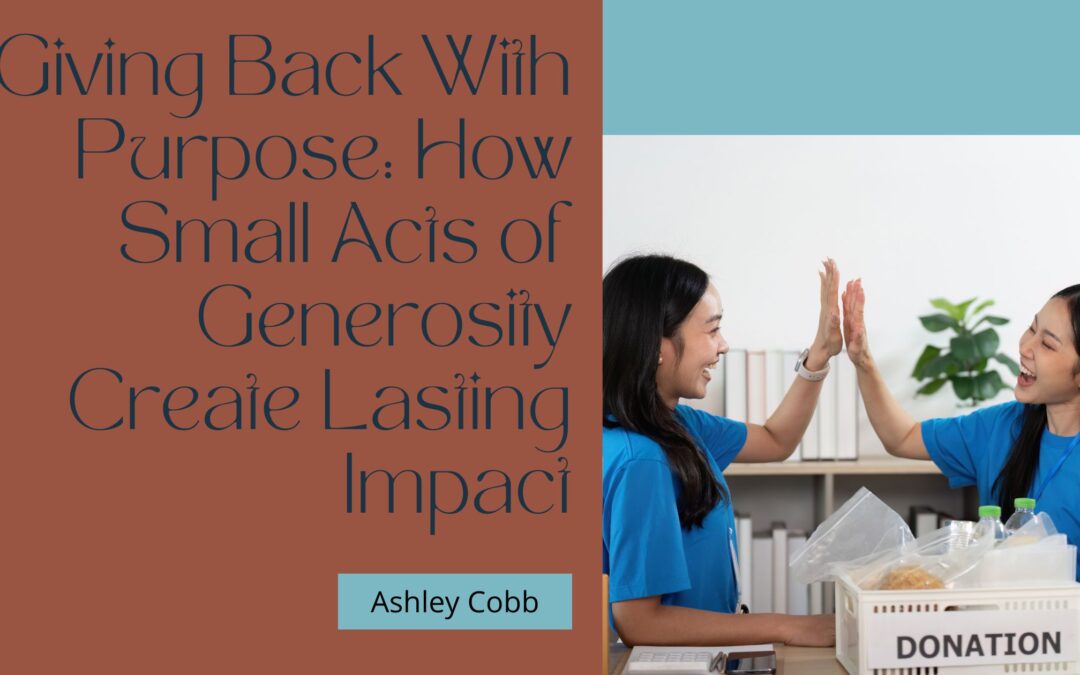
Acts of generosity have long played an important role in strengthening communities and supporting those in need. While large donations and major fundraising campaigns often receive the most attention, meaningful change is frequently built on smaller, everyday acts of kindness. When individuals give back with purpose, even modest contributions can create lasting impact for communities, organizations, and the people they serve.
Purposeful giving begins with intention. Rather than focusing solely on the size of a donation, many individuals are choosing to think carefully about how and where they can make the greatest difference. This may involve supporting local charities, volunteering time, or helping neighbors and community members facing challenges. When generosity is guided by purpose, it often leads to deeper connections and more meaningful outcomes.
Small acts of generosity can take many forms. Donating clothing or household items to local shelters, contributing to food drives, or volunteering at community events are all ways individuals can help meet important needs. These actions may seem simple, but when multiplied across a community, they can provide essential support for organizations that rely on volunteer participation and donations to operate.
One of the most valuable forms of giving is the contribution of time. Volunteers play a critical role in supporting nonprofit organizations, schools, community centers, and outreach programs. Whether mentoring young students, helping organize local events, or assisting with food distribution, volunteers provide hands on support that strengthens community programs. Their presence often allows organizations to expand services and reach more people who need assistance.
Purposeful generosity also has a ripple effect. When individuals see others giving back, they are often inspired to do the same. This cycle of kindness helps build a culture of compassion within communities. Over time, these shared values can lead to stronger relationships, greater collaboration, and a deeper sense of responsibility toward one another.
Another important aspect of purposeful giving is consistency. Small contributions made regularly can create significant impact over time. Monthly donations, recurring volunteer commitments, or ongoing support for community initiatives allow organizations to plan ahead and maintain stable programs. Consistency helps ensure that important services continue to reach those who depend on them.
Technology has also made it easier than ever for people to support causes they care about. Online platforms allow individuals to donate, organize fundraising campaigns, and spread awareness for nonprofit initiatives with just a few clicks. Social media and digital fundraising tools have expanded opportunities for community engagement and have helped connect supporters with organizations working to address important issues.
Beyond financial contributions, generosity can also involve sharing skills and knowledge. Professionals often volunteer their expertise to help nonprofits with marketing, legal guidance, event planning, or financial management. These contributions can provide valuable resources that help organizations operate more efficiently and expand their impact.
Ultimately, giving back with purpose is about recognizing that everyone has the ability to make a difference. Meaningful change does not always come from grand gestures. Instead, it often grows from small, thoughtful actions carried out by individuals who care about the well being of their communities.
When people choose to give with intention, their contributions can create lasting positive change. Over time, these acts of generosity help build stronger communities, support important causes, and inspire others to join in the effort to make a difference.