
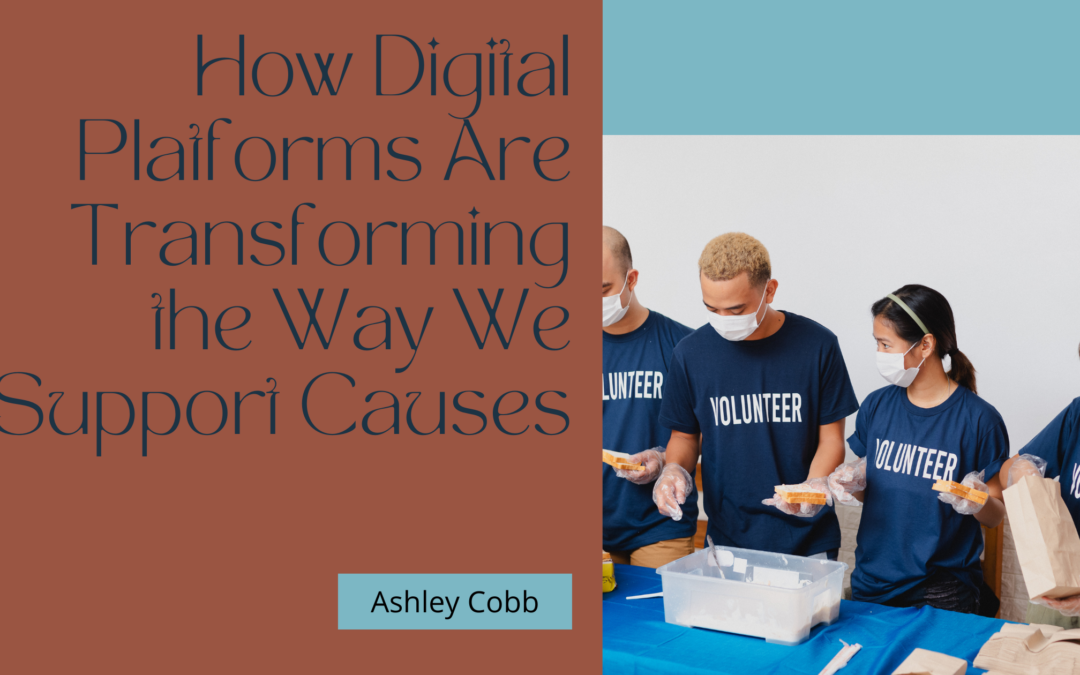
Not long ago, supporting a cause meant writing a check, attending a fundraiser, or volunteering in person. While those methods still matter, digital platforms have dramatically expanded how people engage with social, environmental, and humanitarian issues. Today, with just a few clicks, anyone can learn about a cause, donate, organize a campaign, or mobilize a community. Technology hasn’t just made giving easier—it’s made it more inclusive, immediate, and powerful.
Here’s how digital platforms are changing the way we support causes in the modern world.
1. Access Has Become Global and Instant
Digital platforms remove geographic barriers. A person in one country can now support disaster relief, education, healthcare, or climate initiatives happening across the world in real time. Social media, crowdfunding sites, and nonprofit portals allow causes to reach supporters far beyond their local communities.
This global reach means:
• More visibility for underrepresented issues
• Faster responses to emergencies
• Broader donor participation across cultures and age groups
Causes are no longer limited by location—they’re fueled by connection.
2. Crowdfunding Has Democratized Giving
Crowdfunding platforms allow individuals, families, and grassroots organizations to raise funds without needing institutional backing. Whether it’s medical support for a neighbor, school supplies for students, or rebuilding after a storm, anyone can launch a campaign.
What makes crowdfunding powerful:
• Low barriers to entry
• Emotional storytelling through video and images
• Peer-to-peer sharing that multiplies impact
This model shifts giving from top-down charity to community-driven support.
3. Social Media Turns Awareness into Action
Social platforms have become major engines for advocacy. A single post, video, or hashtag can ignite global movements. Digital storytelling allows causes to humanize their mission and connect emotionally with supporters.
On social media, people can:
• Learn about issues quickly
• Share causes they care about
• Participate in challenges and fundraising drives
Support now travels at the speed of a scroll.
4. Transparency Builds Trust
Modern donors want to know where their money goes. Digital platforms offer dashboards, progress trackers, and impact reports that show real-time results.
Transparency tools include:
• Donation tracking
• Project updates and photos
• Measurable outcome reports
This visibility builds credibility and encourages long-term engagement instead of one-time giving.
5. Recurring Giving and Micro-Donations
Technology enables automatic, small, recurring contributions. Instead of waiting for annual drives, people can give monthly, weekly, or even per action.
Benefits include:
• Predictable funding for nonprofits
• Affordable participation for donors
• Stronger emotional connection over time
Tiny, consistent contributions now add up to powerful impact.
6. Digital Volunteering and Skill-Based Support
Support isn’t just financial anymore. Platforms now connect volunteers with opportunities to donate time, skills, and expertise online.
People can now:
• Mentor students remotely
• Design websites for nonprofits
• Translate documents
• Offer consulting services digitally
Impact has become more personalized and practical.
Conclusion
Digital platforms have transformed support from a limited, occasional activity into a dynamic, everyday experience. By making giving faster, more transparent, and more inclusive, technology empowers more people to become active participants in change.
In the digital age, supporting a cause isn’t just something you do—it’s something you live, share, and build with others.