
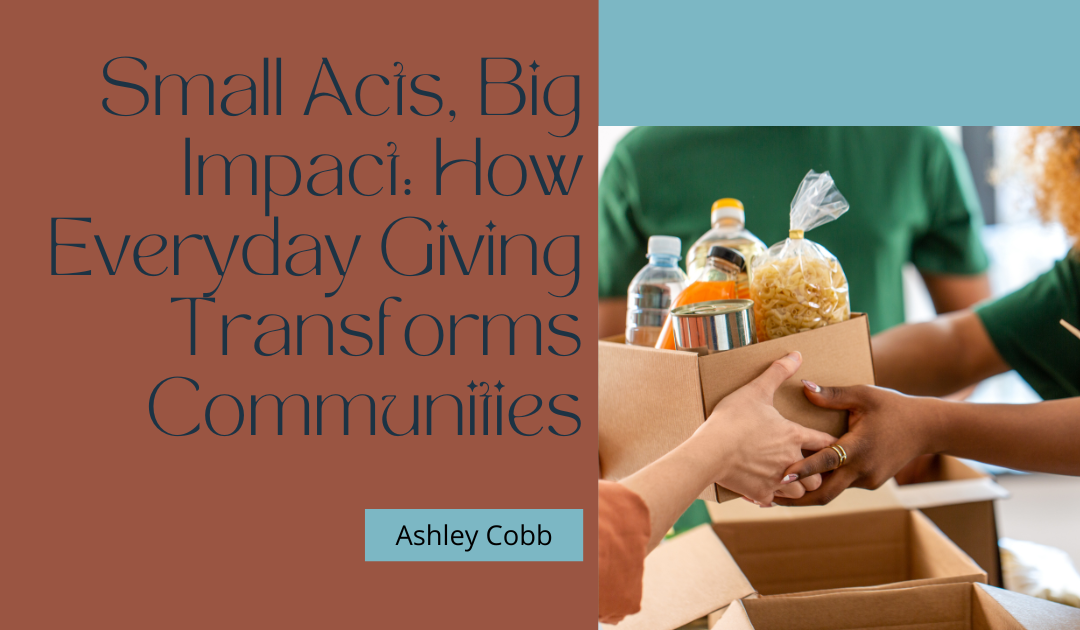
Giving is often associated with large donations or major philanthropic initiatives, but small acts of kindness can have an equally powerful impact. Whether through a simple donation, volunteering a few hours, or offering a helping hand to someone in need, everyday giving plays a crucial role in strengthening communities. Even seemingly minor contributions can create ripple effects that extend far beyond what is immediately visible.
One of the simplest yet most effective ways to make a difference is through small financial donations. Contributing a few dollars to a local charity, crowdfunding campaign, or food bank may seem insignificant on its own, but when combined with the contributions of others, it can fund essential programs and services. Many nonprofit organizations rely on small, recurring donations to sustain their operations. Whether it’s donating spare change at a grocery store checkout or setting up a monthly contribution to a cause, these small financial acts collectively have a major impact.
Volunteering time is another way that everyday giving transforms communities. Whether it’s helping at a local shelter, mentoring a student, or assisting an elderly neighbor with groceries, small efforts contribute to the well-being of those around us. Many nonprofit organizations depend on volunteers to run programs, and even a few hours of assistance can make a significant difference. The simple act of showing up and lending a hand helps build a culture of compassion and solidarity within a community.
Random acts of kindness can be just as powerful as organized philanthropic efforts. Small gestures like paying for a stranger’s coffee, writing a thank-you note to a teacher, or offering words of encouragement to someone having a tough day can create a positive chain reaction. Studies have shown that acts of kindness inspire others to do the same, creating a ripple effect that spreads goodwill. These moments of generosity, though small, can brighten someone’s day and foster a stronger sense of community.
Supporting local businesses and artisans is another way to contribute to community well-being. Choosing to shop at small, family-owned stores or purchasing goods from local markets helps sustain local economies. These businesses often give back to the community by creating jobs, supporting local causes, and fostering a unique cultural identity. Conscious consumer choices can have a profound impact on the sustainability and growth of a community.
Engaging in environmental initiatives also falls under everyday giving. Simple actions like picking up litter, planting trees, reducing plastic use, or conserving energy contribute to a healthier environment. Communities thrive when individuals take responsibility for their surroundings, ensuring that public spaces remain clean and safe. Many environmental changes start with small grassroots efforts that eventually lead to broader movements and policies.
Social connections and emotional support are invaluable forms of giving. Checking in on a friend, offering a listening ear, or simply being present for someone going through a difficult time can have a profound impact. Many people face challenges in silence, and knowing that someone cares can be life-changing. Acts of kindness, empathy, and human connection foster a sense of belonging and resilience within a community.
Small actions may seem insignificant in isolation, but together they build stronger, healthier, and more compassionate communities. The power of everyday giving lies in its ability to inspire others, create connections, and generate lasting change. Whether through financial contributions, volunteer work, or simple acts of kindness, everyone has the ability to make a difference. Giving does not have to be grand or extravagant—it simply needs to be consistent and heartfelt.