
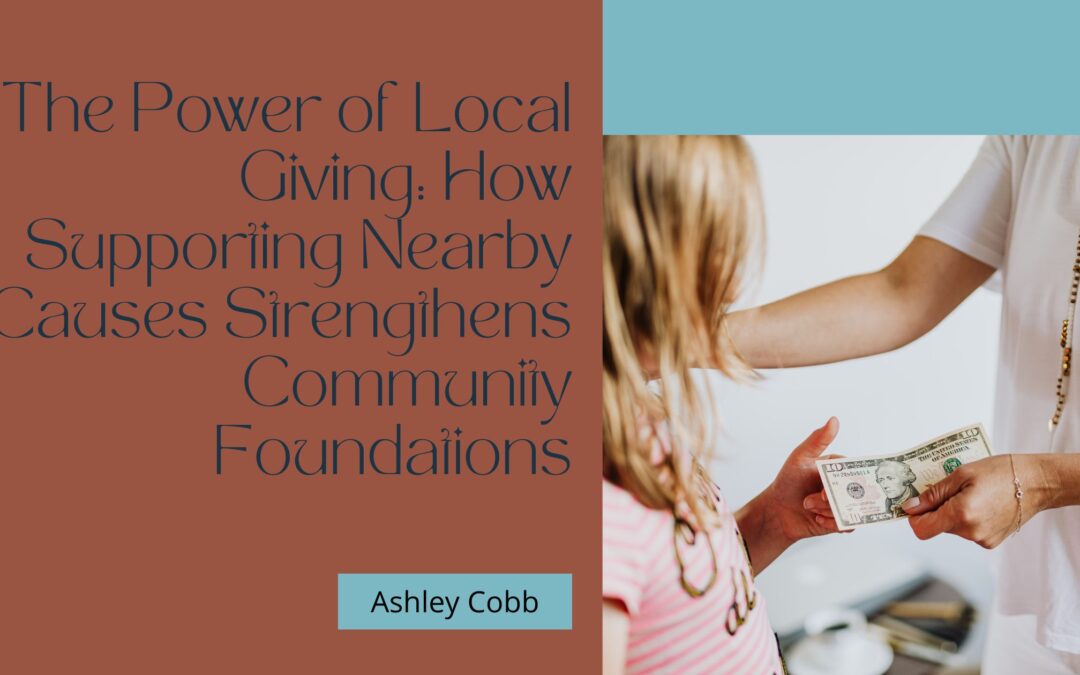
Giving back is often associated with large scale charities and global initiatives, but some of the most meaningful impact begins much closer to home. Local giving, whether through donations, volunteering, or community engagement, plays a vital role in strengthening the foundation of neighborhoods and cities. By supporting nearby causes, individuals and businesses can create lasting change that directly benefits the people and environments around them.
One of the most significant advantages of local giving is the ability to see the impact firsthand. When contributions are directed toward community organizations, schools, food banks, or shelters, the results are often visible and immediate. Donors and volunteers can witness how their efforts help provide resources, improve services, and support individuals facing challenges. This direct connection fosters a deeper sense of purpose and encourages continued involvement.
Local organizations are often deeply attuned to the unique needs of their communities. Unlike larger national groups, they understand the specific challenges and opportunities within a particular area. This allows them to design programs and initiatives that are highly targeted and effective. By supporting these organizations, donors help ensure that resources are used efficiently and reach those who need them most.
Another key benefit of local giving is its ability to strengthen relationships within a community. Volunteering at events, participating in local fundraisers, or collaborating with neighborhood groups creates opportunities for people to connect. These interactions build trust, encourage collaboration, and create a shared sense of responsibility. Over time, these relationships contribute to a more resilient and unified community.
Small contributions can have a powerful cumulative effect. While a single donation or volunteer effort may seem modest, collective action can lead to significant outcomes. When many individuals contribute in small ways, local organizations gain the support they need to expand their programs, reach more people, and sustain their operations. This collective approach reinforces the idea that everyone has a role to play in community development.
Local giving also supports economic stability. Contributions to community based organizations often circulate within the local economy, supporting jobs, services, and infrastructure. For example, donations to local food programs may help source goods from nearby suppliers, while community events can drive traffic to small businesses. This interconnected system helps create a stronger and more sustainable local economy.
Businesses play an important role in local philanthropy as well. By partnering with community organizations, sponsoring events, or encouraging employee volunteerism, companies can contribute to positive change while building stronger ties with their communities. These efforts not only enhance a company’s reputation but also demonstrate a commitment to social responsibility.
Technology has made local giving more accessible than ever. Online platforms and social media allow individuals to discover nearby causes, contribute to fundraising efforts, and share opportunities with others. This increased visibility helps smaller organizations reach a broader audience and attract new supporters who may not have been aware of their work.
Ultimately, the power of local giving lies in its ability to create meaningful and lasting impact where it matters most. By focusing on nearby causes, individuals and organizations can help build stronger communities, support those in need, and foster a culture of generosity.
When people invest in their own communities, they contribute to a foundation that benefits everyone. Through consistent and purposeful local giving, small actions can lead to lasting change and a more connected, resilient future.